

The Bioeconomy Challenge brings together governments, international organisations, financial institutions, businesses, researchers and communities to turn principles into action, while strengthening the bioeconomy’s role in multilateral spaces.
A three-year global initiative
connected priorities
organisations contributing
countries with bioeconomy strategies or related policy frameworks
Launched under the COP30 Action Agenda, this three-year global initiative (2025–2028) builds on the G20 High-Level Principles on Bioeconomy.
It focuses on four connected priorities: harmonising metrics and indicators, mobilising capital at scale, developing bio-based markets and ensuring communities help shape the bioeconomy and share in its benefits.
Climate and debt shocks, biodiversity loss and geopolitical uncertainty are driving the need for more resilient and diversified economies.
The bioeconomy offers a systemic approach across sectors, changing how we manage resources and live on our planet. With sustainability at its core, it can harness innovation and circular production to reduce dependence on fossil resources, strengthen food security, support better livelihoods and regenerate nature.
Momentum is growing: more than 60 countries already have bioeconomy strategies or related policy frameworks. This creates an opportunity to connect climate, biodiversity and land restoration goals, helping deliver on commitments under the three Rio Conventions, including NDCs, NBSAPs and LDN targets.
Turning commitments and national ambitions into real economic transformation requires conditions that are not yet fully in place:
facing standards, trade rules and incentives that often favour established industries shaped by decades of policy and investment support.
but there is no widely harmonised global baseline for what to use and how to compare performance.
but investable pipelines remain difficult to build and aggregate, with gaps across sectors and regions.
to accessing mainstream finance, infrastructure, policy and value chains.
We connect technical expertise, policy and practical experience to develop shared frameworks, test them in real-world settings and expand what works. All four priorities are interdependent and must advance together.
A multistakeholder governance connecting strategic direction, technical delivery and cross-sector participation.
Provides strategic and political direction and oversees progress.
Strengthens visibility, reach and engagement through influential leaders from different sectors and regions.
Names and roles coming soon.
Coordinates the initiative and supports delivery across its governance bodies and working groups.
Develop the initiative’s technical proposals, drawing on members’ expertise and experience. Each group is led by an organisation with recognised expertise in its field.

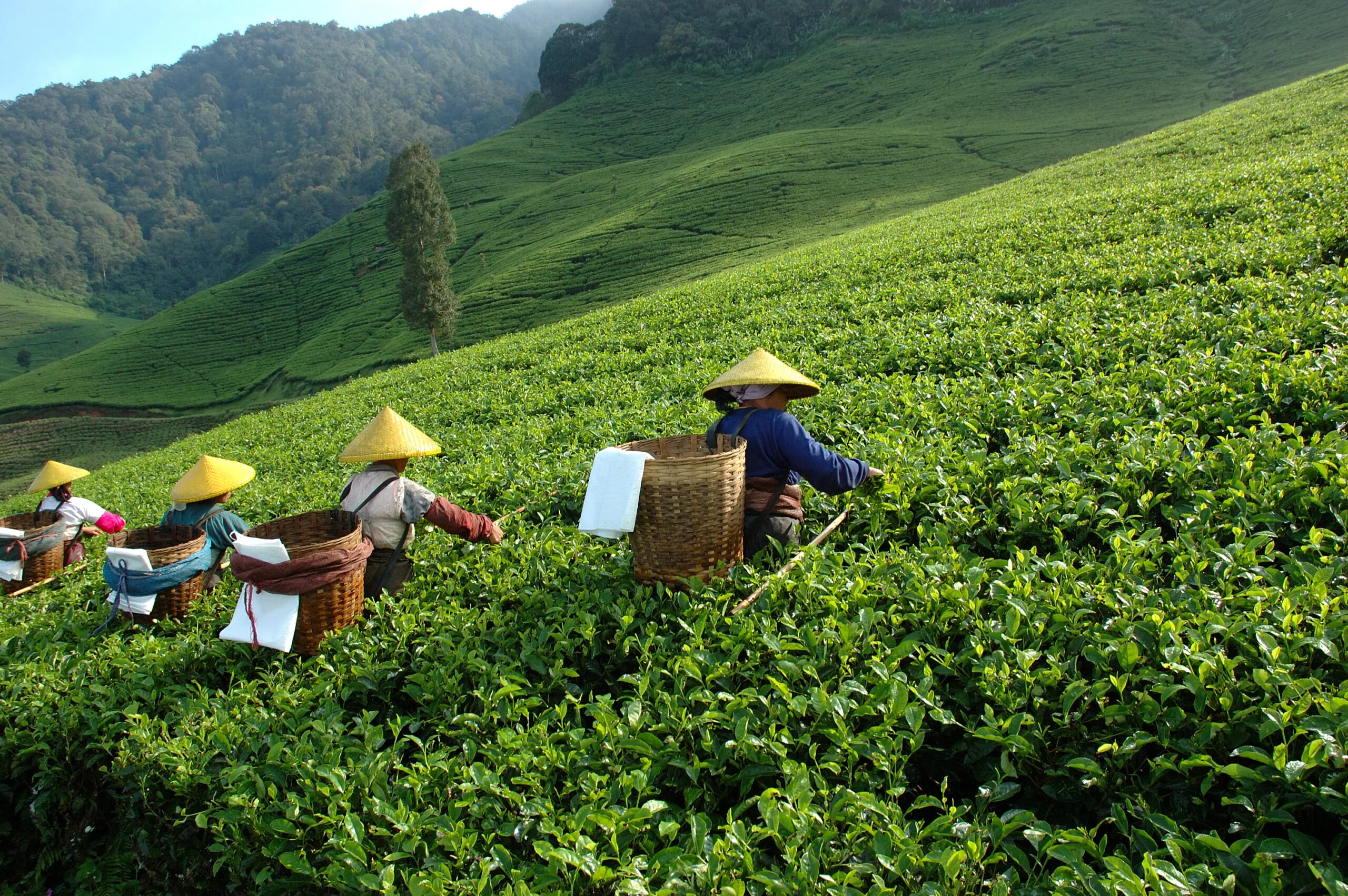
Building on existing global frameworks, guide the prioritisation of common approaches to measure and monitor bioeconomy performance and sustainable outcomes, enabling comparability, credibility and informed decision-making.
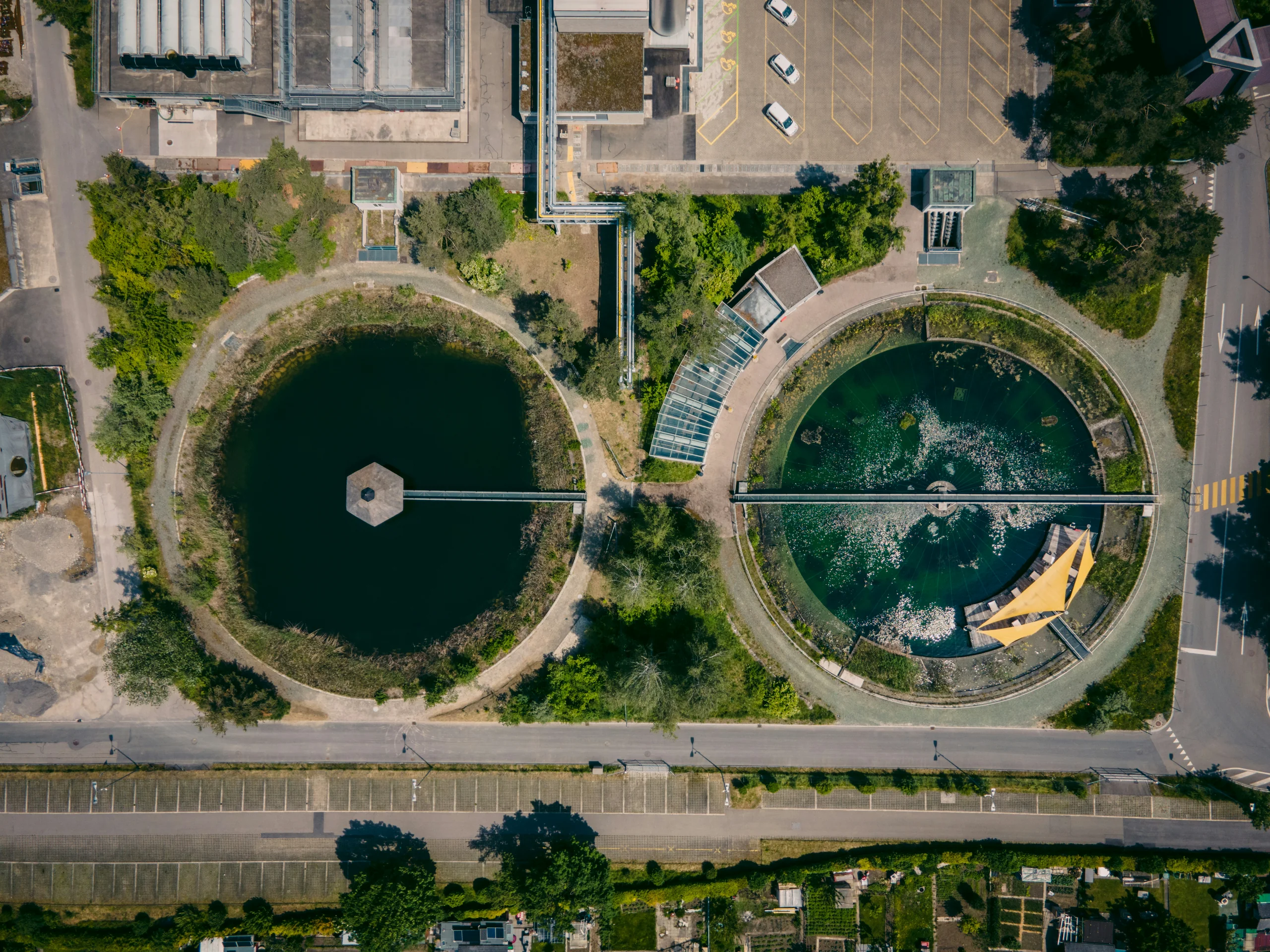
Identifying, structuring and testing financial approaches that can unlock capital at scale into the bioeconomy across regions and sectors.
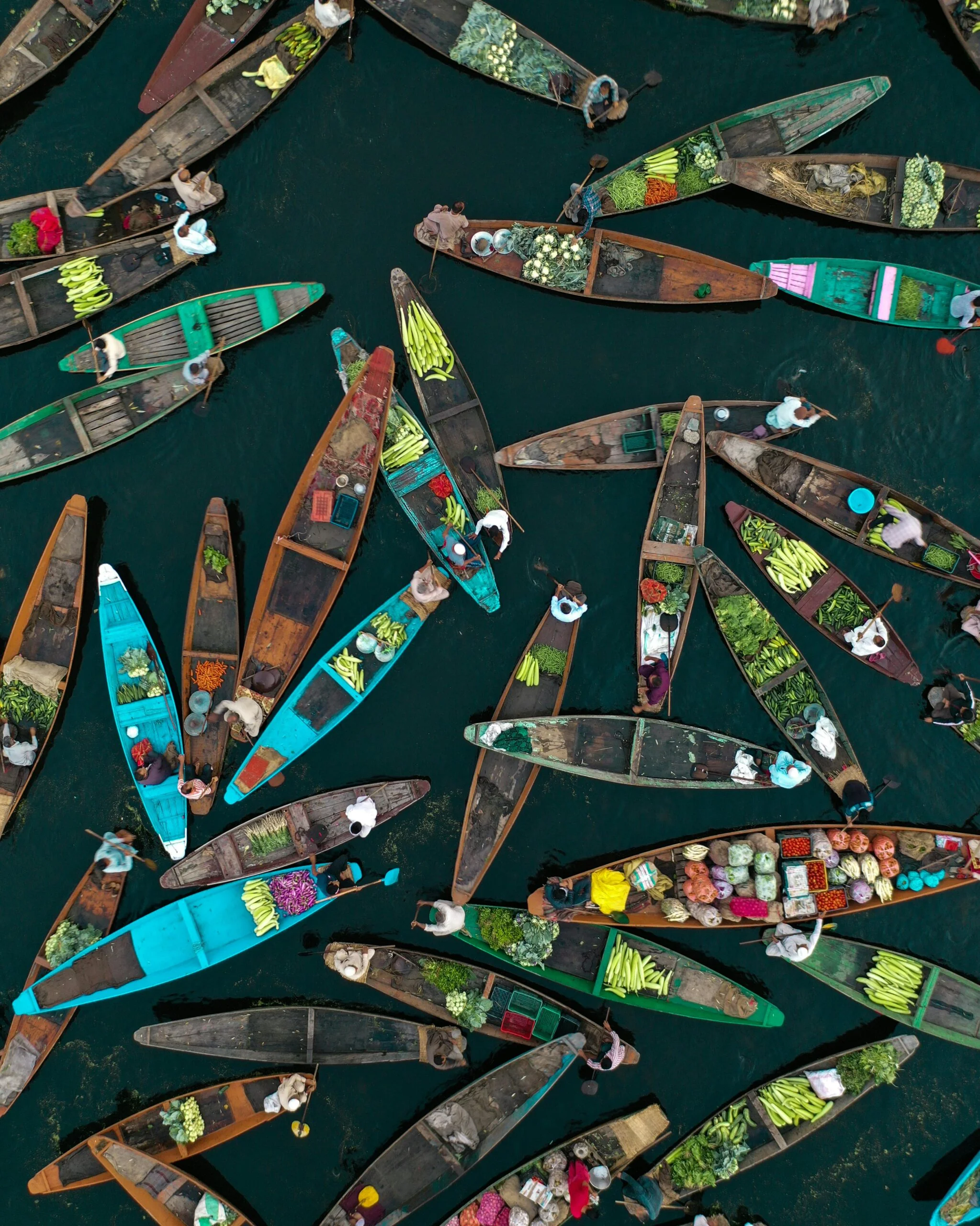
Improving the market and trade conditions needed for bio-based sectors to compete, including standards, procurement, certification and market access.
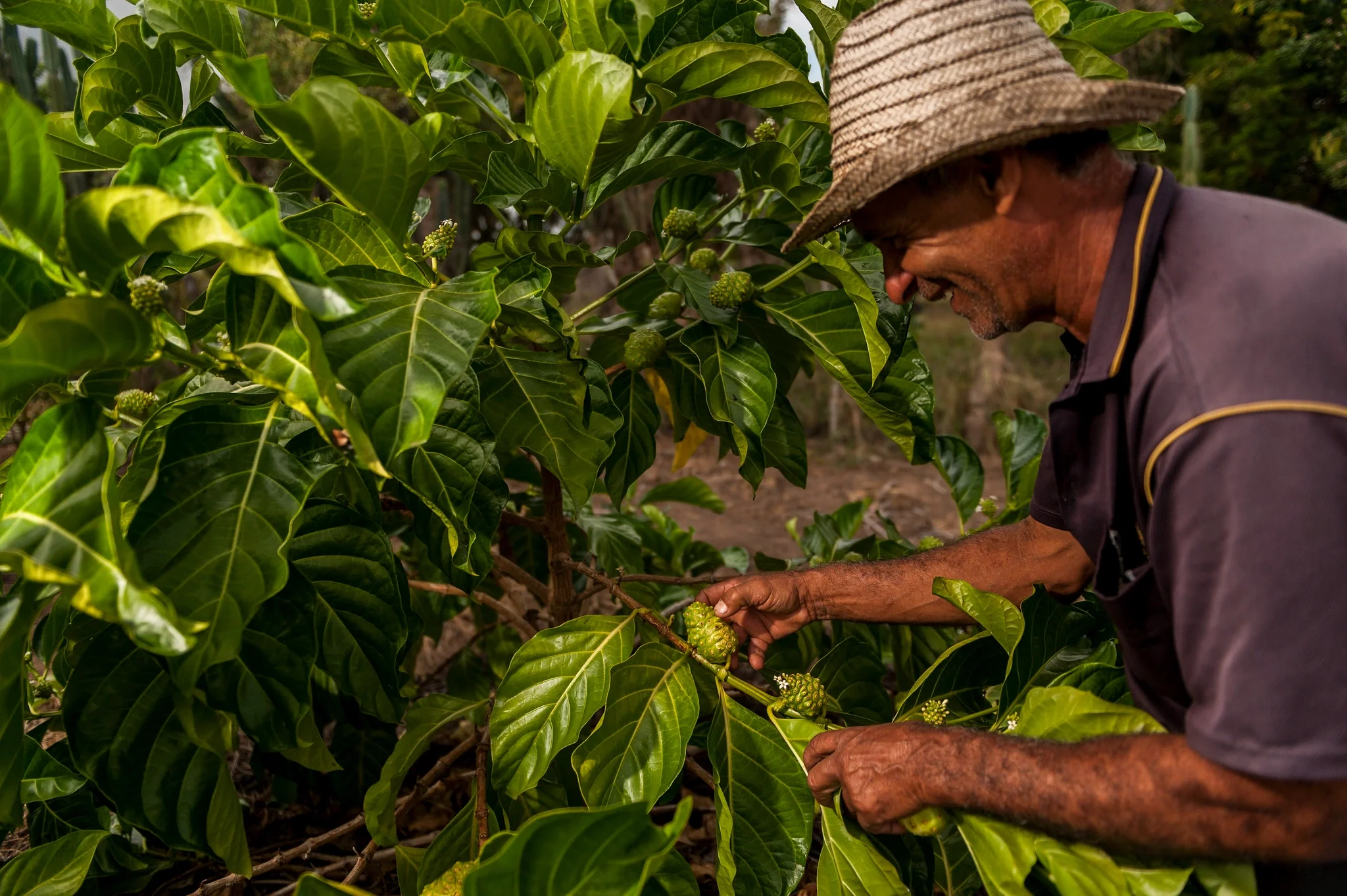
Strengthening participation, local value creation and broader economic benefits across territories and value chains.
More than 100 organisations contribute to the Bioeconomy Challenge and endorse the G20 High-Level Principles on Bioeconomy.
Chaired by: Government of Brazil
Government of Germany
Government of South Africa
Global Alliance of Territorial Communities (GATC)
The International Consortium on Applied Bioeconomy Research (ICABR)
World Business Council for Sustainable Development (WBCSD)
Christine Lang, IACGB
Hugo Chavarria, Inter-American Institute for Cooperation on Agriculture (IICA)
Jane Molony, PAMSA, Paper Manufacturers Association of South Africa
Jukka Kantola, World Bioeconomy Association (WBA)
Justus Wesseler, Wageningen University
Marcelo Behar, COP30 Presidency, Special Envoy on Bioeconomy
Mercedes Bustamante, Brazilian scientist and professor
NatureFinance
Led by: Food and Agriculture Organization of the United Nations (FAO)
African Natural Capital Alliance (ANCA)
African Union Development Agency (AUDA-NEPAD)
African Wildlife Economy Institute (Stellenbosch University)
Assobio
Biofuture Industry Council
Brazilian Ministry of Finance
Built by Nature
Canadian Ministry AAFC
CEPI (Confederation of European Paper Industries)
CIFOR-ICRAF
EMBRAPA
European Commission Joint Research Centre
Food and Agriculture Organization (FAO)
French Ministry MAASA DGPE/SEI/SDI/BM
German ministry BMLEH
IACGB
IIASA (International Institute for Applied Systems Analysis)
India, NITI Aayog
Inter-American Institute for Cooperation on Agriculture (IICA)
International Bamboo and Rattan Organization
Japan, Ministry – MAFF
National Bioeconomy Coordination Board (Italy), Presidency of the Council of Ministers
Nature Positive Initiative
OECD
Roundtable for sustainable biomaterials
South Africa National Dept of Science, Technology & Innovation
Stockholm Environment Institute (SEI)
Sun Yat-sen University, China
The Nature Conservancy (TNC)
Thünen Institute – Federal Research Institute for Rural Areas, Forestry and Fisheries
UK Government (DEFRA)
UN ECLAC (CEPAL)
UNIDO
United Nations Environment Programme (UNEP)
University of Kassel, Germany
University of Natural Resources and Life Sciences (BOKU)
Wageningen University
World Resources Institute
Led by: Inter-American Development Bank Group (IDB Group)
African Bioeconomy Finance Hub
African Natural Capital Alliance (ANCA)
Amazonia Finance Network (AFN)
Ambition Loop
Brazilian Ministry of Finance
CIFOR-ICRAF
Climate Ventures / Nature Investment Lab (NIL)
Finance for Biodiversity
Food and Agriculture Organization (FAO)
Igarapé
Impact Finance
Instituto Clima e Sociedade (ICS)
Inter-American Development Bank (IDB)
Inter-American Institute for Cooperation on Agriculture (IICA)
Ministry Environment of Peru
NatureFinance
Stockholm Environment Institute (SEI)
Terrasos
The Nature Conservancy (TNC)
UNEP-FI
United Nations Development Programme (UNDP)
University of California, Berkeley
World Bioeconomy Association (WBA)
World Business Council for
Sustainable Development (WBCSD)
Led by: United Nations Conference on Trade and Development (UNCTAD) and NatureFinance
African Union Commission (AUC)
African Union Development Agency (AUDA-NEPAD)
Assobio
Biofuture Industry Council
BioInnovate Africa/ICIPE
Brazilian Business Council for Sustainable Development (CEBDS)
Council for Scientific and Industrial Research (CSIR)
Ellen Macarthur Foundation
European Commission
Food and Agriculture Organization (FAO)
ICC Brazil
National Bioeconomy Coordination Board (Italy), Presidency of the Council of Ministers
Natural Resources Canada
ODI Global
SocioBioHub
Stockholm Environment Institute (SEI)
The Organisation of Eastern Caribbean States (OECS)
TradeMark Africa
Transform Trade
UNCTAD
University of California, Berkeley
World Business Council for Sustainable Development (WBCSD)
Led by: World Resources Institute (WRI)
African Wildlife Economy Institute (Stellenbosch University)
African Women’s Network for Community Forest Management (REFACOF)
Ambition Loop
Assobio
Brazilian Business Council for Sustainable Development (CEBDS)
Brazilian Environmental Ministry (MMA) – Bioeconomy Secretariat
CIFOR-ICRAF
Climate and Land Use Alliance (CLUA)
Conexsus
Conselho Nacional das Populações Extrativistas (CNS)
Environmental Secretariat of Pará State (Semas-PA)
Food and Agriculture Organization (FAO)
Forest People and Climate Initiative (FPC)
Forest Stewardship Council (FSC)
Iniciativa Amazonia+10/FAPESP
Institute for Sustainable Development and International Relations (IDDRI)
Instituto Clima e Sociedade (ICS)
Inter-American Development Bank (IDB)
KPTL
Natura
NatureFinance
Network of Indigenous Peoples and Local Communities for the Sustainable Management of the Forest Ecosystems of Central Africa (REPALEAC)
SecondMuse
Stockholm Environment Institute (SEI)
The Nature Conservancy (TNC)
UEBT
United Nations Development Programme (UNDP)
United Nations Environment Programme (UNEP)
University of Natural Resources and Life Sciences (BOKU)
World Business Council for Sustainable Development (WBCSD)
World Resources Institute (WRI)
World Wide Fund for Nature (WWF)
World-Transforming Technologies (WTT)