

Metrics influence what governments and investors can measure, compare and act on. Financial structures determine where capital can flow. Market and trade conditions shape how bio-based products, services and businesses can compete. And participation and value distribution influence who shapes the bioeconomy, and on whose terms.
These conditions are interdependent. Progress on one depends on progress on the others, which is why scale cannot come from any one of them alone.
Four working groups bring together expertise from across the Bioeconomy Challenge to build and test the frameworks and instruments that put these conditions in place. Their combined work will feed into the Global Bioeconomy Roadmap by 2028.

Governments, investors, markets and other stakeholders still lack common ways to recognise the bioeconomy’s contribution, track its sustainability and compare performance across sectors and regions. The gap goes beyond investment: it limits trade competitiveness, sidelines community-led production systems and leaves governments without common ground to act.

Right now, the Working Group is mapping existing indicators and metrics across sectors and regions, and building the methodological guidance needed to harmonise them into standards that governments, investors and markets can use and trust.
Governments, investors and businesses are showing growing interest in the bioeconomy, but many bio-based sectors still struggle to access capital at scale. Financial systems were largely built around centralised infrastructure, commodity industries and short investment horizons, not distributed production or emerging bio-based value chains. As a result, pipelines stay fragmented, forest and nature-based economies remain largely outside mainstream finance, and risk keeps concentrating capital in sectors that are already well served.
The working group is mapping and assessing existing financial mechanisms across regions to understand what is working, what is not, and identify the challenges and barriers limiting their effectiveness. This work aims to better understand why finance is not reaching where it is most needed and explore how these mechanisms can be better structured and tailored to meet the needs of businesses, local communities, governments and other stakeholders.
Many bio-based products and services compete in markets shaped by decades of subsidies, infrastructure and industrial policies designed around fossil-based and extractive sectors. Fragmented and proliferating standards, high compliance costs, uneven incentives and uncertain demand continue to constrain competitiveness and market access.

Right now, the Working Group is analysing priority bioeconomy value chains across a mix of Global South and Global North countries, looking at how they operate in different contexts and what holds back their ability to scale. A separate workstream is examining how bioeconomy products are represented in Harmonized System (HS) trade codes.
Value is created across the bioeconomy, but it is not consistently retained or shared across value chains. Many community-led production systems, biodiversity-rich territories and small and medium enterprises remain invisible in policy, finance and markets, and without the right governance, there is a real risk of reproducing extractive patterns, where value is created in one place and captured in another.
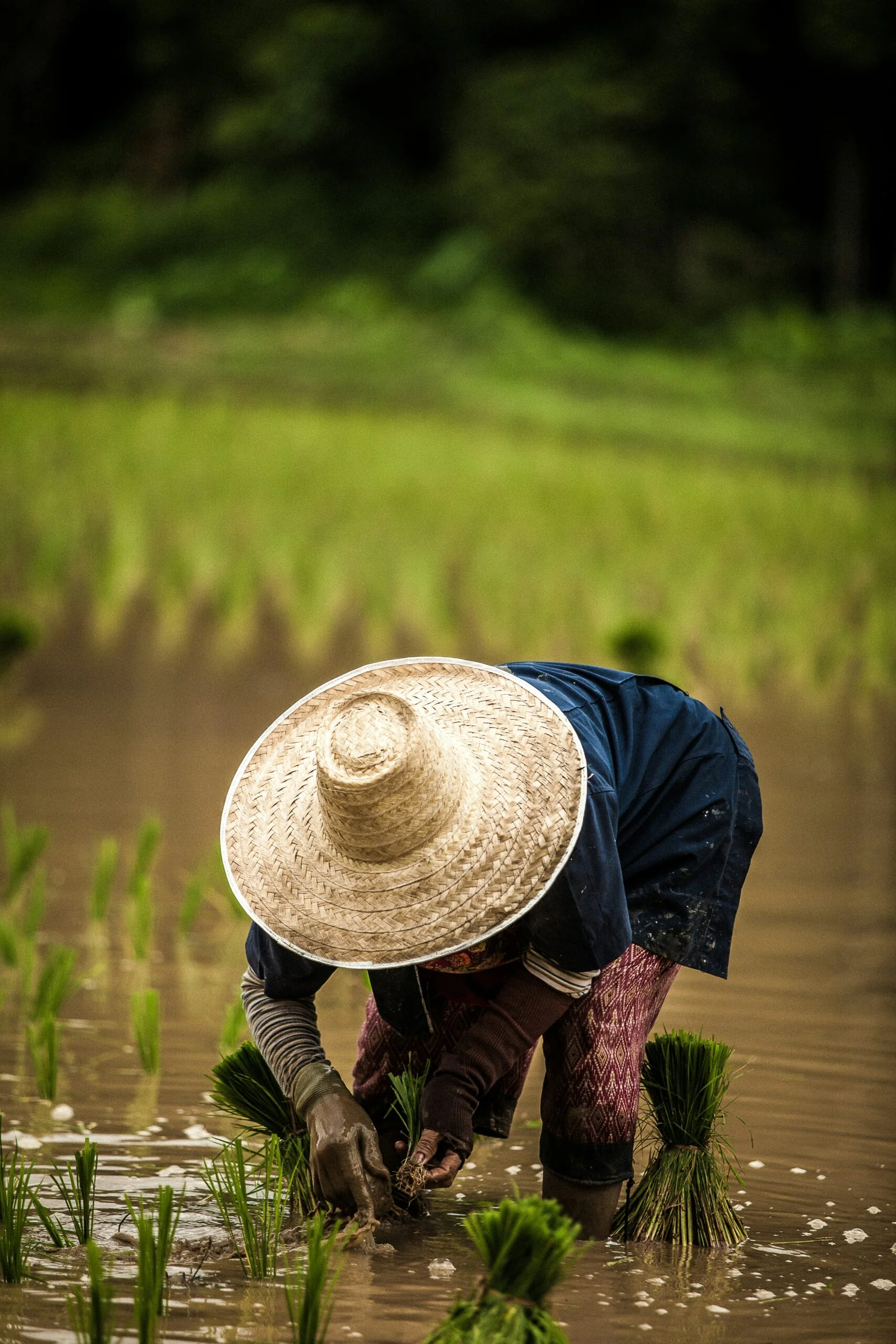
Right now, the working group is developing a policy brief on sociobioeconomy, exploring its relationship with communities and community-based approaches, and clarifying what distinguishes it from the broader bioeconomy. The goal is to bring community-led production systems, territorial governance and biocultural knowledge into how the bioeconomy is measured, financed and traded.
Our working groups draw on practical experience across different countries, sectors and territories.
Have a relevant policy, project, case study, dataset or lesson learned? Share it with us for consideration as the work develops.