Measure progress and outcomes
Develop common indicators to measure and monitor bioeconomy performance and sustainable outcomes, enabling comparability, credibility and informed decision-making.

The Bioeconomy Challenge brings together governments, international organisations, financial institutions, businesses, researchers and communities. Together, we’re turning the G20 High-Level Principles into action and building the conditions for a sustainable bioeconomy to operate at scale by 2028.
From food systems to biomaterials, biotechnology and pharmaceuticals, sectors based on the sustainable use of biological resources already move trillions in global economic activity. More than 60 countries have national bioeconomy strategies or related policy frameworks.
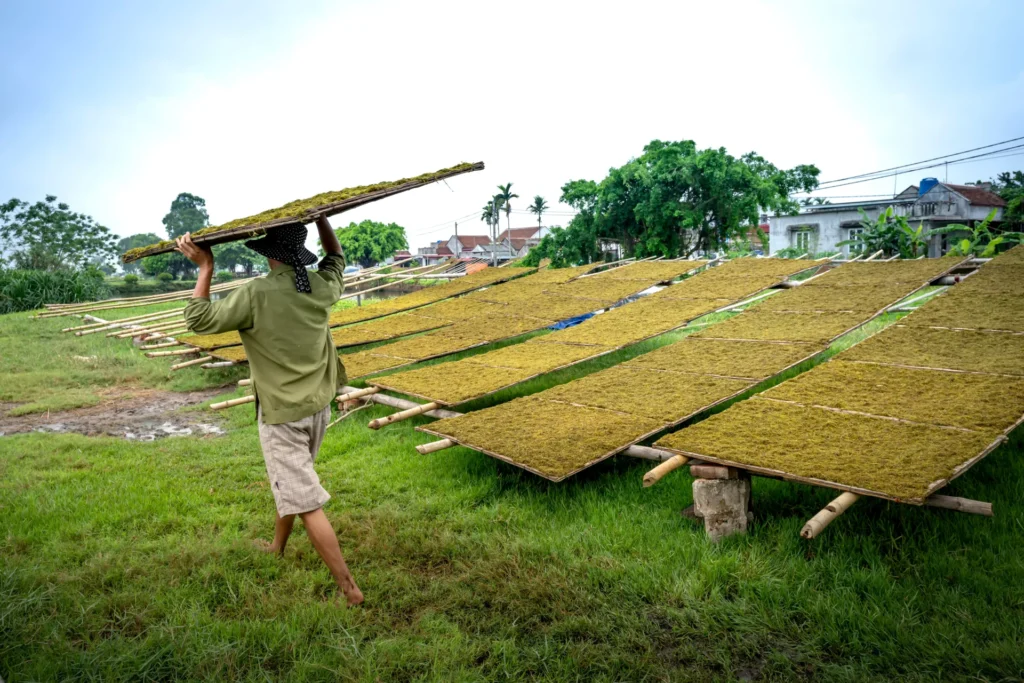
The bioeconomy is already taking shape across sectors: turning agricultural waste into new materials and energy, genetic resources into medicines and biotechnology, marine life into food and bio materials, and combining nature with built infrastructure.
It can drive industrialisation, diversify trade and help countries move up the value chain. It also supports food security, better jobs and livelihoods, and strengthens economic resilience in a world of growing climate and geopolitical uncertainty.
Scaling the bioeconomy sustainably, competitively and inclusively is no small feat. It requires common approaches to how it is measured, alongside changes in how it is financed and traded, and how communities participate in shaping it and sharing its benefits. The Bioeconomy Challenge is helping put these conditions in place.

Develop common indicators to measure and monitor bioeconomy performance and sustainable outcomes, enabling comparability, credibility and informed decision-making.


Help build the financial architecture, instruments and investable pipelines needed to mobilise and deploy more capital into the bioeconomy.
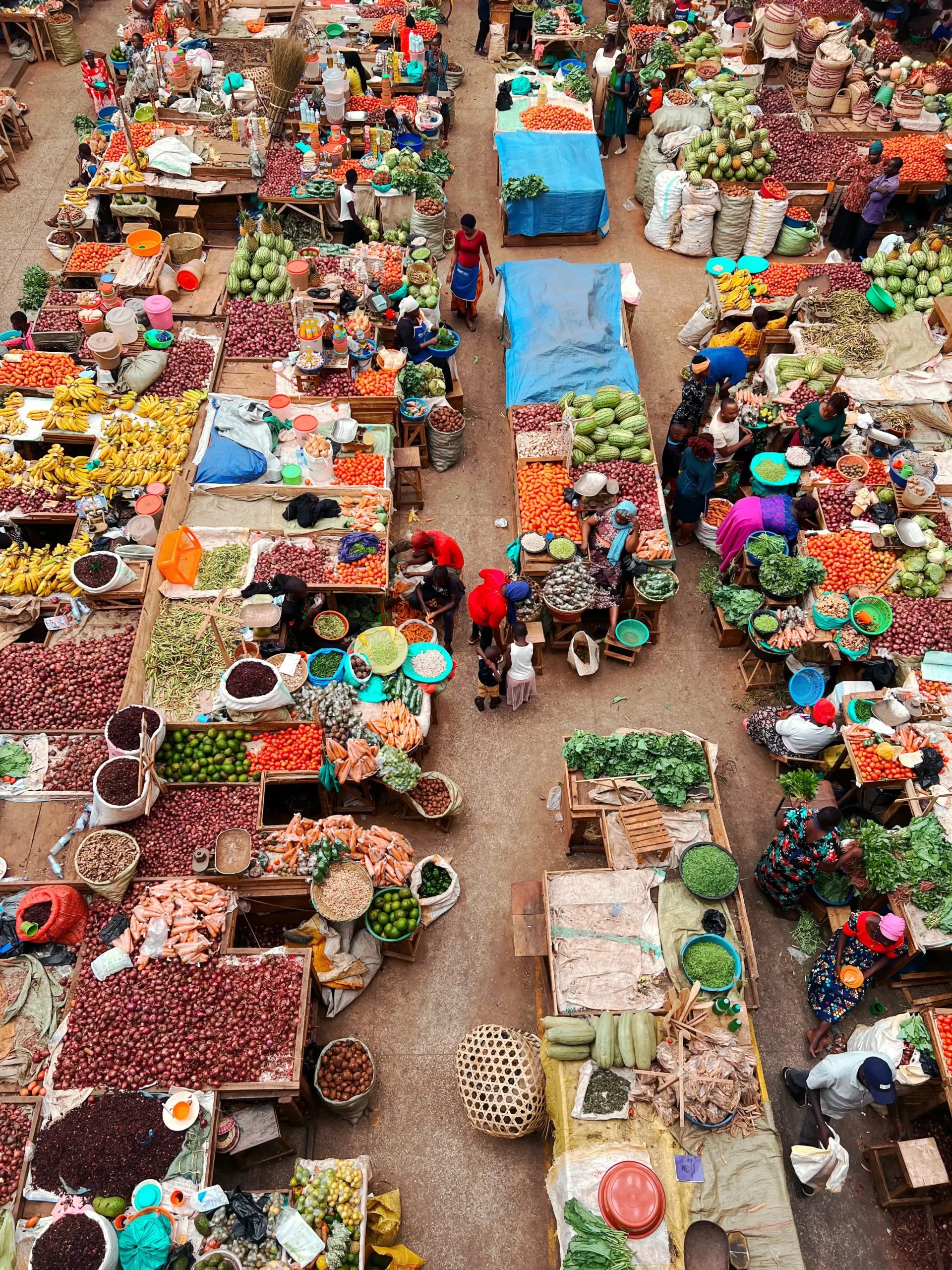
Improve competitiveness and market access through clear standards, procurement, incentives and trade conditions.
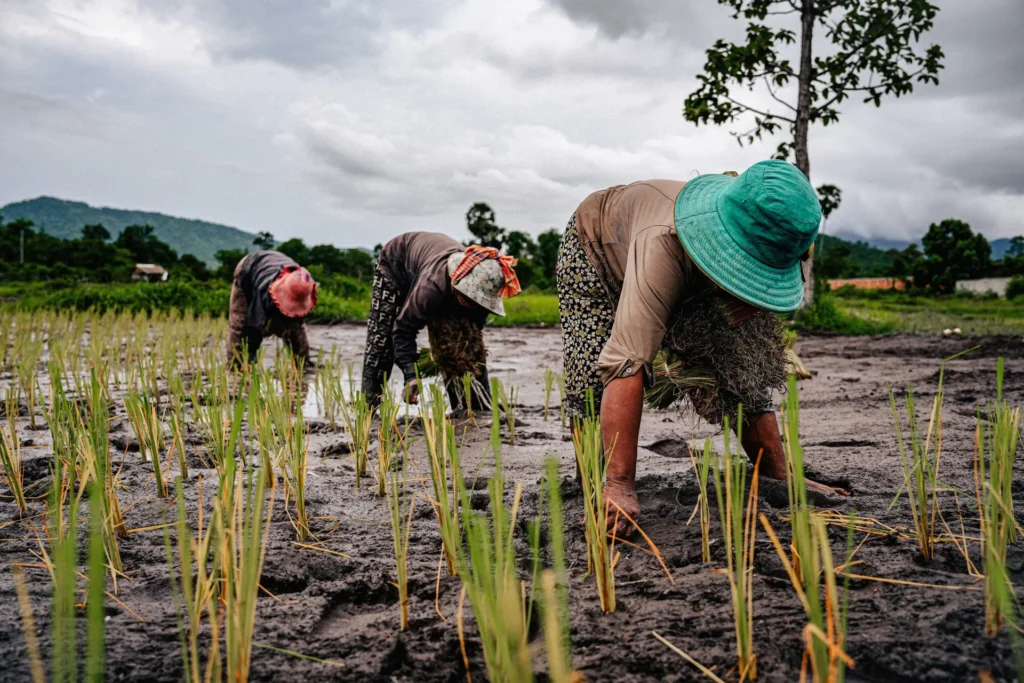
Strengthen participation, local value creation and broader economic benefits across communities and territories.
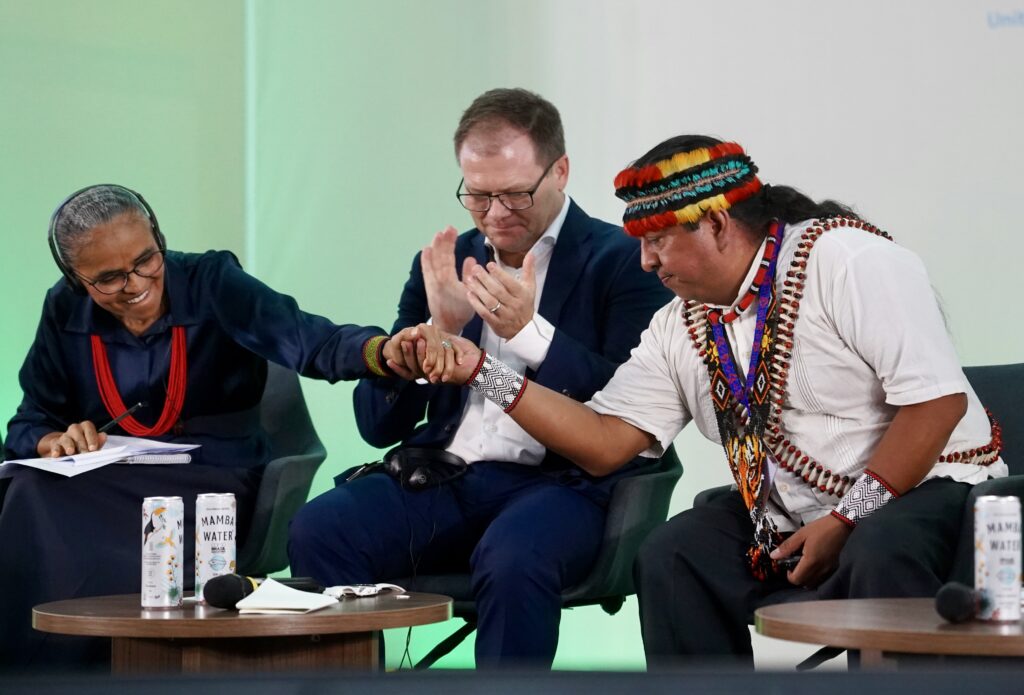
engaged across sectors and regions
providing the initiative’s shared foundation
“A short quote from a Champion or Steering Committee member goes here, in one or two sentences.”
Launched under the COP30 Action Agenda, the Bioeconomy Challenge is a UNFCCC Plan to Accelerate Solutions. It builds on the G20 High-Level Principles on Bioeconomy, the first guidelines agreed by multiple countries specifically on this topic, setting a shared direction for sustainable and inclusive development.
Integrate and promote sustainable development across its economic, social and environmental dimensions, contribute to eradicating hunger and poverty and improving health and well-being, whilst ensuring global food security and nutrition.
Be inclusive and equitable, uphold the rights of all persons, including Indigenous Peoples and members of local communities, promote gender equality and the participation of all stakeholders.
Advance mitigation and adaptation efforts against global climate change, in line with applicable multilateral climate agreements.
Contribute to the conservation of biodiversity, the sustainable use of its components and the fair and equitable sharing of benefits arising from the utilization of genetic resources and associated traditional knowledge.
Advance sustainable consumption and production patterns and the efficient and circular use of biological resources, whilst promoting the restoration and regeneration of degraded areas and ecosystems.
Be developed through safe, secure and responsible use of science, technology, innovation and traditional knowledge, with potential benefits, risks and impacts assessed scientifically.
Benefit from robust and coherent policy frameworks that foster trade for bioeconomy products and services, market conditions, sustainable business models, decent jobs, local value creation and private sector and civil society participation.
Utilize transparent, comparable, measurable, inclusive, science-based and context-specific criteria and methodologies to assess their sustainability throughout the value chains.
Be fostered by international collaboration and cooperation that addresses global challenges, leverages complementary strengths, innovation and entrepreneurship and promotes financing, capacity building and sharing of best practices.
Be based on country-specific approaches and implemented in line with national priorities and regional and local circumstances.
A three-phase journey turning the G20 High-Level Principles into measurable action.
Launch the Bioeconomy Challenge, establish governance and activate the Working Groups.
Develop shared frameworks and implementation pathways across the four areas.
Pilots in real-world contexts, build track records and refine what works across regions and sectors.
Bring the work together.
Explore progress, publications, events and opportunities to contribute.
Bring your experience and perspectives to the
Bioeconomy Challenge as we develop the Roadmap.
Send us policies, projects, case studies, data and lessons learned that our Working Groups can draw on and reference.
Send us your input
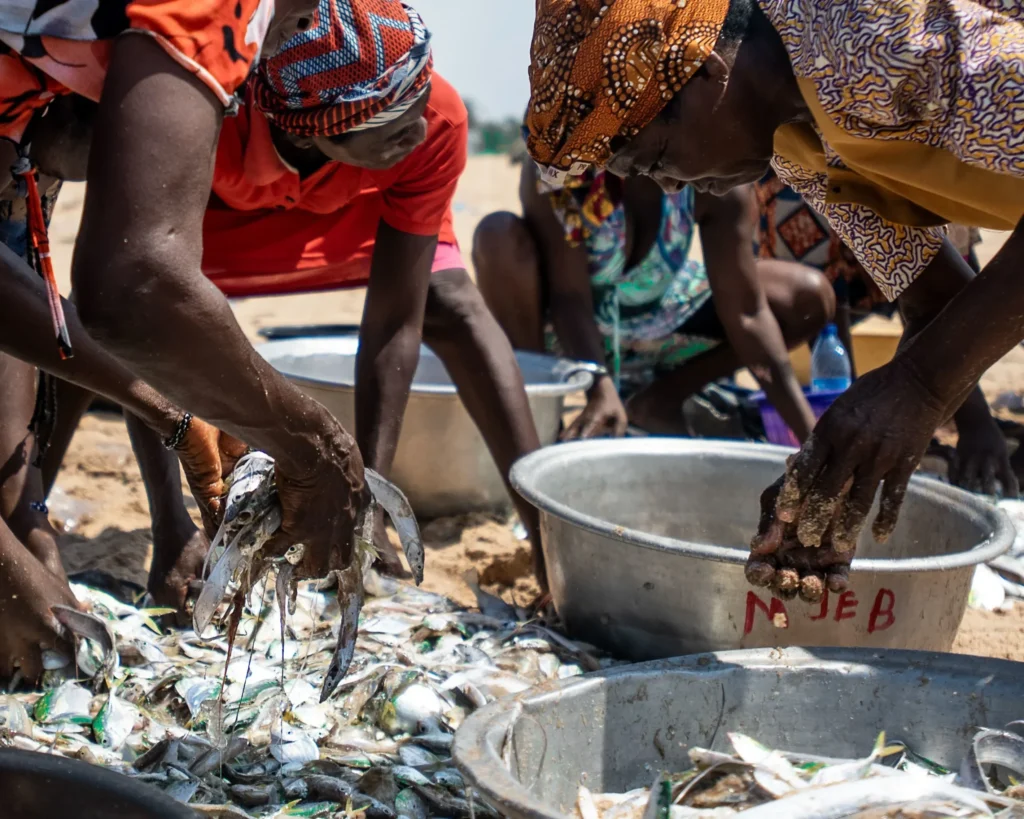
Join Bioeconomy Challenge events and public sessions at key global moments.
See upcoming events
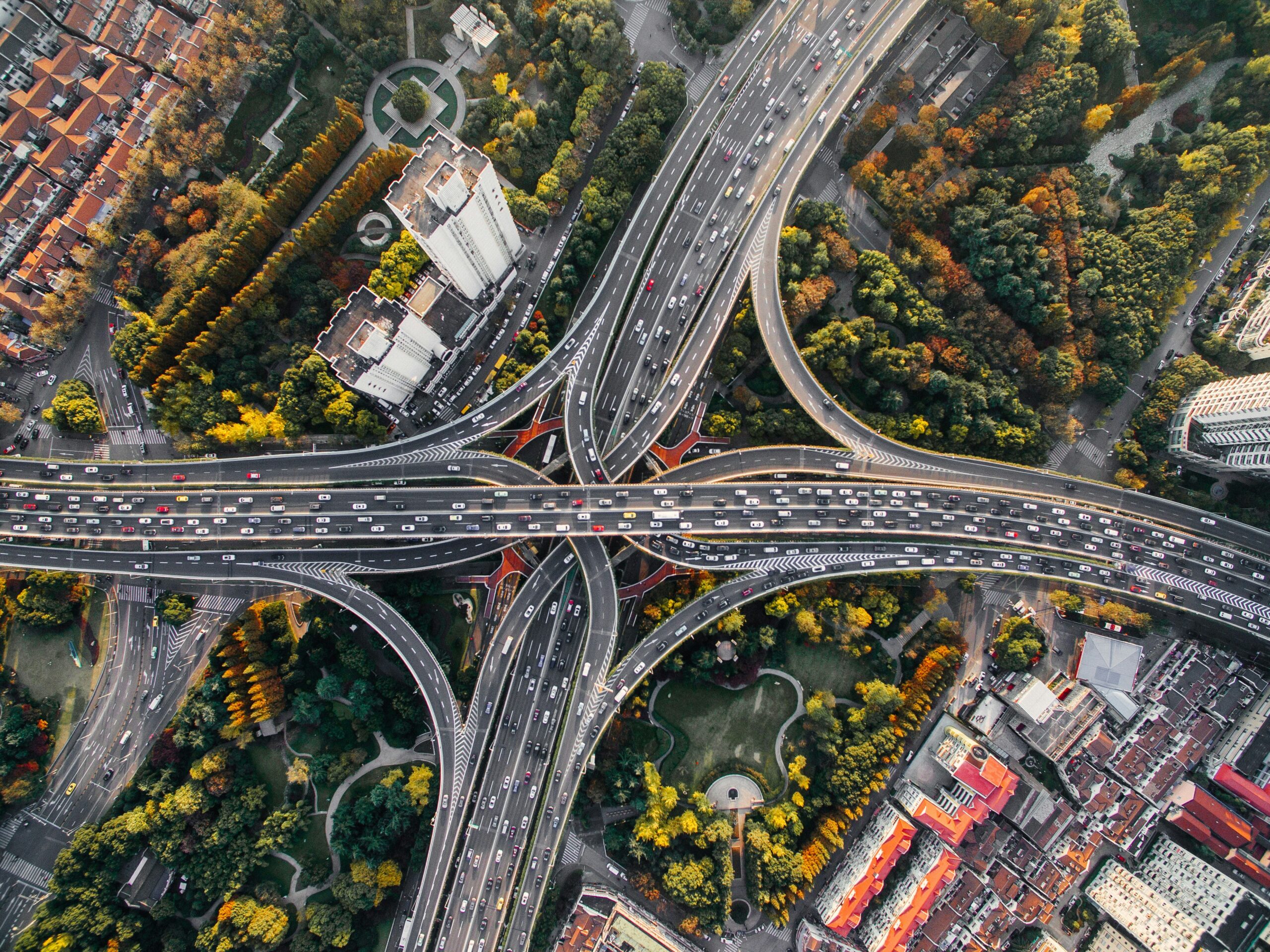

Discover organisations and projects working across the bioeconomy, then add your own work to the directory.
Explore the Community

Bring your experience and perspectives to the
Bioeconomy Challenge as we develop the Roadmap.