November 17, 2025 – Belém (PA) – Global leaders announced today at COP30 in Belém the Bioeconomy Challenge, a global platform designed to translate the 10 High-Level Principles of the Bioeconomy into concrete action and scalable solutions by 2028.
The initiative positions the bioeconomy at the core of the global response to the climate crisis. Building on the legacy of the G20 Bioeconomy Initiative (GIB), the Bioeconomy Challenge aims to expand bioeconomy markets to protect nature, accelerate decarbonization, and establish the sociobioeconomy as a foundation for fair and inclusive growth—placing people and communities at the center of decision-making.
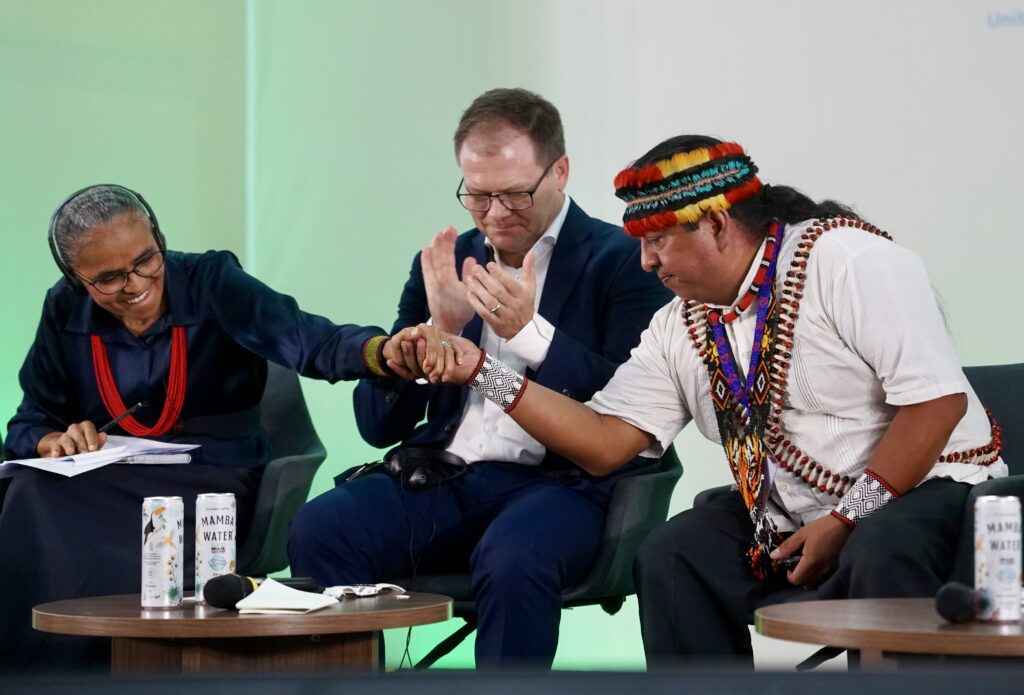
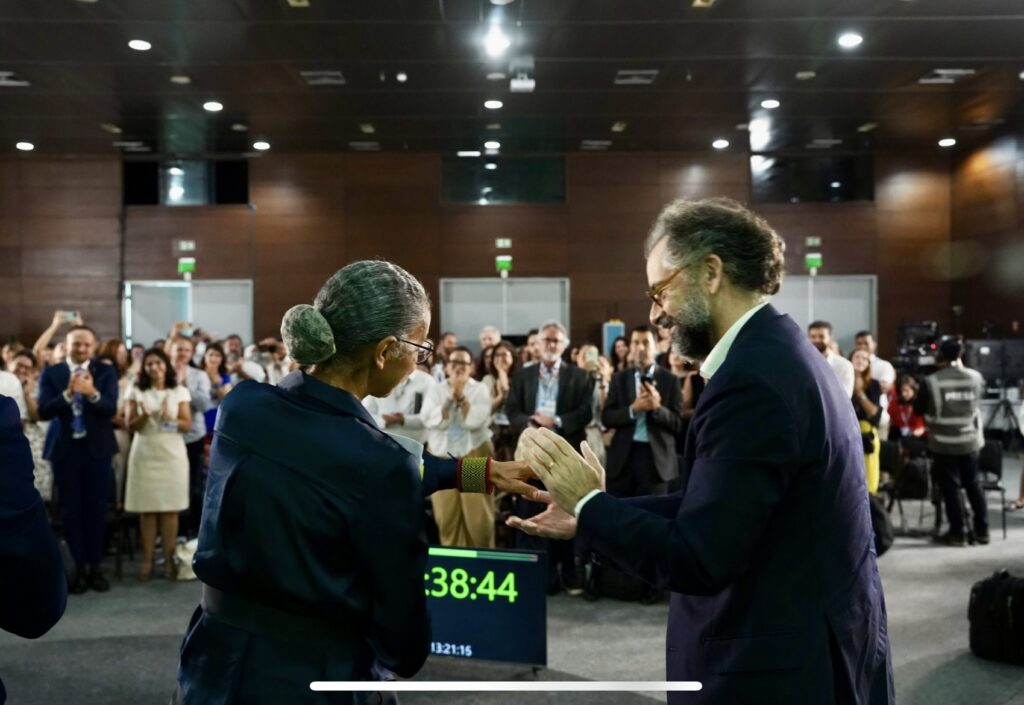
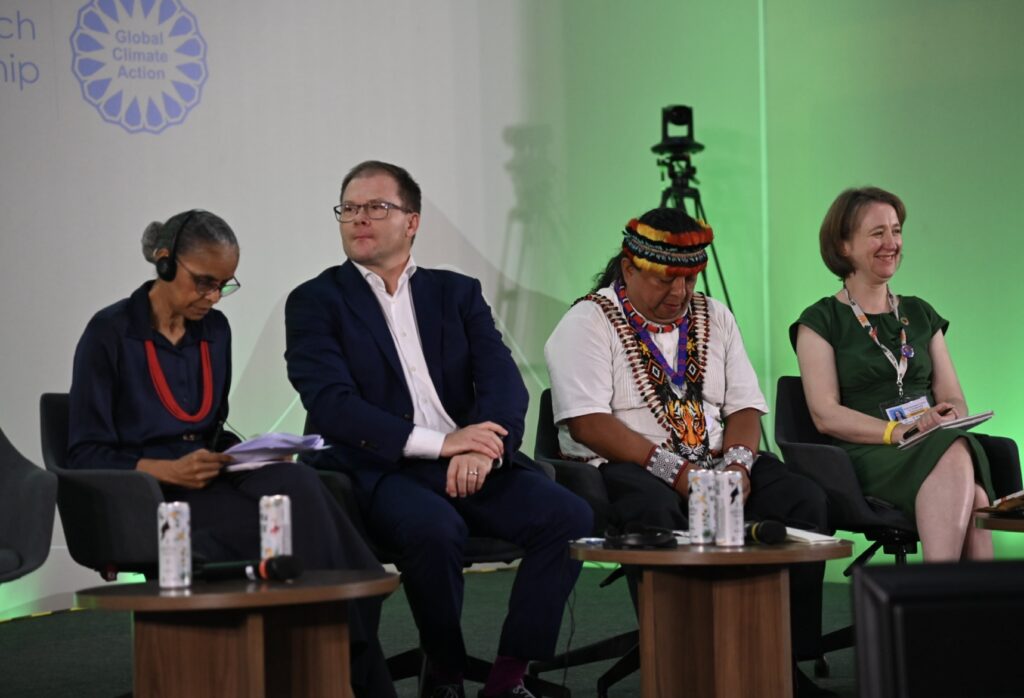
“The bioeconomy is an essential part of the roadmap to end deforestation and to promote a just transition toward a new cycle of prosperity. It replaces a predatory economy with one that is sustainable and regenerative, rooted in biodiversity-based products that can generate food, pharmaceuticals, cosmetics, fibers, bio-inputs, biomaterials, and traditional knowledge. I am very hopeful that we can create a new cycle of prosperity—diverse, sustainable, and fair for all,” said Brazil’s Minister of the Environment and Climate Change, Marina Silva, who received a standing ovation during the event held in the COP’s Blue Zone.
The Bioeconomy Challenge is an international platform with a three-year timeline engaging governments, companies, academia, civil society organizations, and experts. More than 63 organizations from over 20 countries have already expressed interest. The initiative aims to address critical gaps in metrics, finance, and market development that continue to hinder investment at scale.
It was established by Brazil’s Ministry of the Environment and Climate Change to drive forward the implementation of Strategic Objective 29 of the COP30 Action Agenda, building on foundations laid under the G20 presidencies of Brazil (2024) and South Africa (2025).
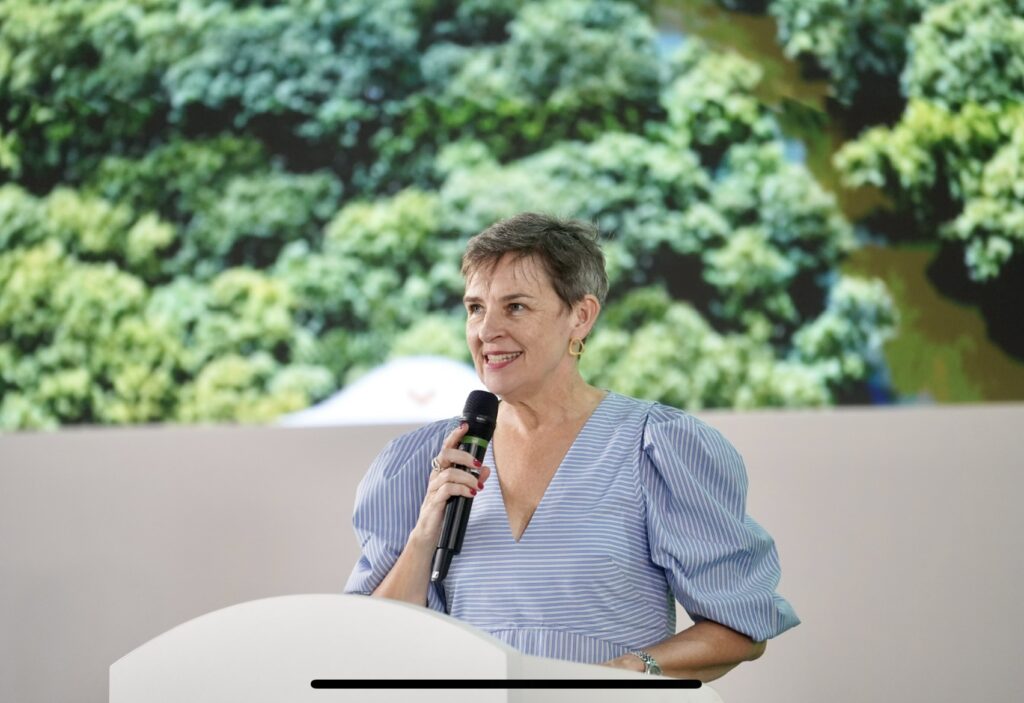
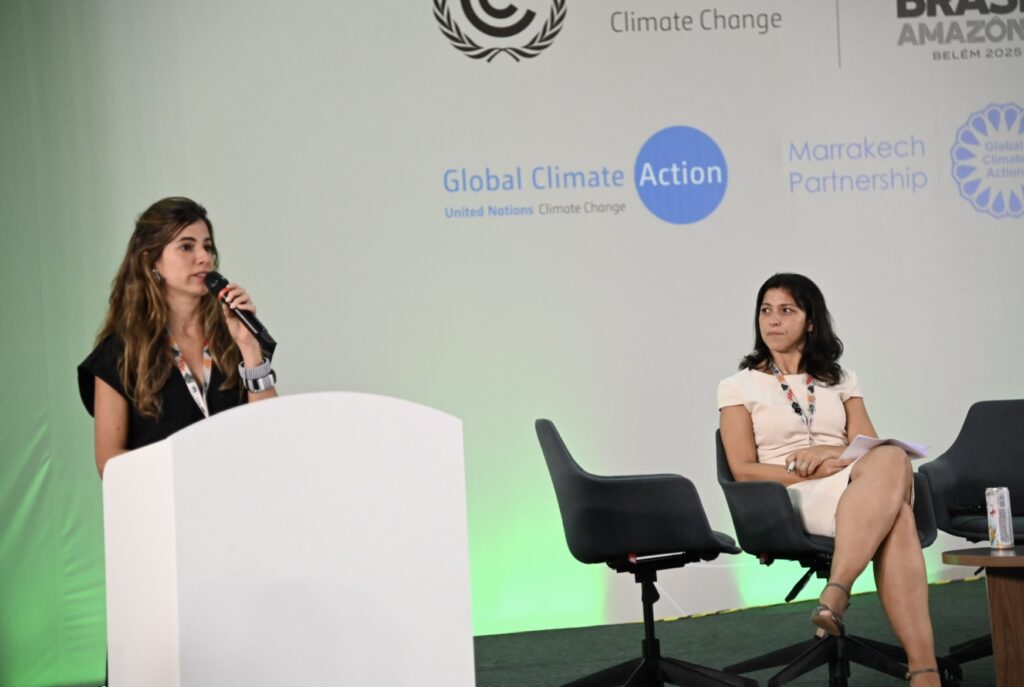
“It is much broader than the G20’s bioeconomy initiative, which was mainly focused on countries. Now we can engage communities, funders, research centers, and companies. This is our opportunity. We truly want to include all these actors in the working groups and foster collaboration across them, involving both the Global North and the Global South,” said Luana Maia, Director of NatureFinance in Brazil.
With NatureFinance as Executive Secretariat, a Steering Committee uniting governments, businesses, and civil society, and an Advisory Group, the initiative establishes a shared governance model to deliver measurable impact.
Four specialized working groups will support the implementation: Metrics and indicators, led by the Food and Agriculture Organization of the United Nations (FAO), Financing mechanisms, led by the Inter-American Development Bank Group (IDB), Market development and trade, coordinated by the UN Conference on Trade and Development (UNCTAD), and Sociobioeconomy and community benefits, coordinated by the World Resources Institute (WRI).
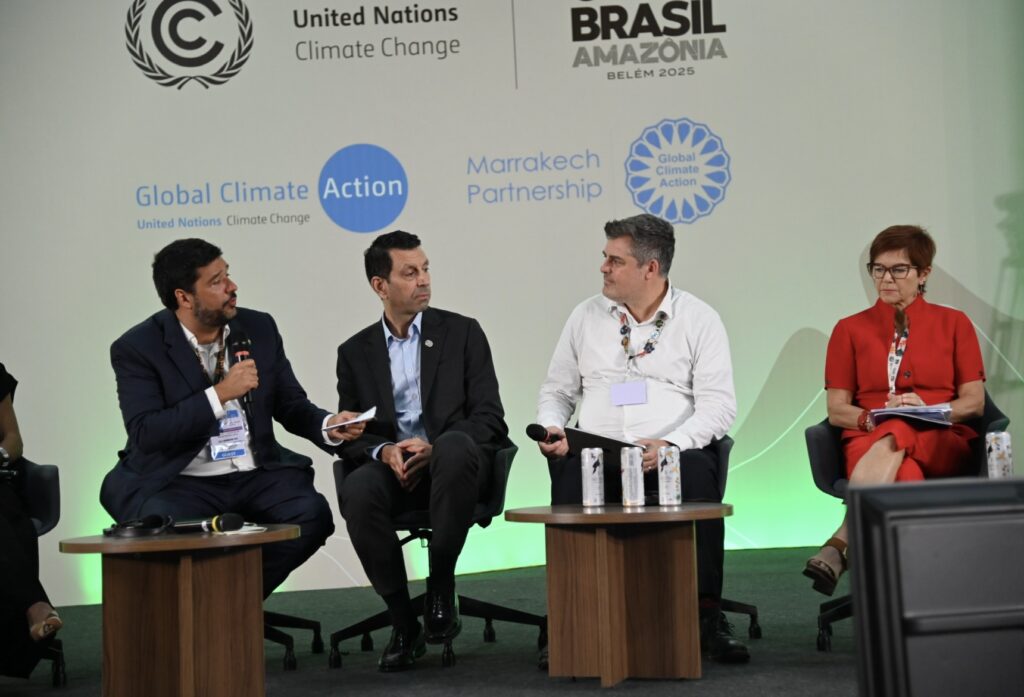
“We need more ambition in financial and political commitments. I think our compass has been set by all these announcements we’ve made. The compass points us in the right direction. But we still don’t have a clear vision on the ground. I think this is the essence of the Bioeconomy Challenge. As the minister and previous panelists said, we need a clear roadmap for our climate goals and for the community. We need a very clear map that guides the bioeconomy on what we should do — but an inclusive map that involves all the sectors it encompasses: from food to biomaterials, from bioenergy to others. This map needs to be real and concrete,” said Carina Pimenta, Brazil’s National Secretary for Bioeconomy and Chair of the Steering Committee.
Action Agenda
The Bioeconomy Challenge is part of the COP30 Solutions Acceleration Plan.
“For the first time in COP history, the bioeconomy has been placed as a central objective of the Action Agenda—Objective 29 on bioeconomy and biotechnology. We dedicated not just one, but two thematic days to deep and meaningful discussions on how to unlock its full potential, and we are pleased to celebrate the excellent results we achieved together,” said Ambassador Mauricio Lyrio, Secretary for Climate, Energy and Environment at Brazil’s Ministry of Foreign Affairs and lead negotiator for Brazil at COP30.
Also for the first time in thirty years, the Climate Conference has appointed a Climate Envoy for the Bioeconomy, Marcelo Behar, underscoring Brazil’s leadership in embedding this agenda within global climate governance.
“We want to create the conditions for private investment in high-risk, high-value technologies to drive and accelerate innovation. By positioning these sectors as hubs of sustainable growth, we can transform our economic model. This will allow us to decarbonize and strengthen the resilience of corporate supply chains. Brazil is setting the pace for global bioeconomy work,” said Mary Creagh, the United Kingdom’s Minister for Rural and Environmental Affairs.
Germany’s Minister of the Environment, Carsten Schneider, who flew over the Amazon forest the previous day, also participated in the launch: “We live in challenging times. The prospect of a sustainable, circular bioeconomy gives me hope. It has the potential to unite environmental protection, economic growth, and social equity—creating economic opportunities while respecting traditional knowledge and protecting nature.”
Juan Carlos Jintiach, Executive Secretary of the Global Alliance of Territorial Communities (GATC), highlighted the crucial role of traditional and Indigenous peoples in protecting forests and nature: “Looking back, I see the destruction of the world, including our own land, and yet we protect it. This is our contribution to the planet—what we do and what the government does. Just listen to us and see it, because the answer lies in ensuring the protection of our lands so we can continue living here. We care for this territory for the world and for future generations. We will not hand over another planet—this is the one we have. This is an extraordinary opportunity.”
Turning Principles into Practice
According to Kaveh Zahedi, FAO’s Director of Climate and Biodiversity, years of discussion have paved the way for the next steps: “In the G20, Brazil was inspiring, and South Africa deepened the analysis of metrics. We now have a decade of experience and hundreds of highly prepared experts.”
Gregory Watson, leader of the IDB’s Natural Capital Lab, emphasized the opportunity for bioeconomy within the IDB’s Amazon Forever program, which aims to expand financing and strengthen regional coordination for sustainable development: “We see this as recognition of collective progress on biodiversity and climate-buffering principles that we are implementing within the IDB. We are working to integrate these principles into our thematic framework for defining bioeconomy in the Bank’s development directives and project design.”
Leading the Market Development and Trade working group, UN Trade and Environment plans to foster training and capacity-building partnerships: “We’ve been working on this for almost 30 years, and what we’ve learned is that the ecosystem must work together. That’s why I need to do something like this for people—and bring us together,” said Chantal Line-Carpentier, Chief of Environment, Climate, and Sustainable Development at UNCTAD.
Craig Hanson, WRI’s Managing Director for Programs, shared examples of bioeconomy projects from around the world: “Think of the community forestry underway in the Congo Basin—that is bioeconomy. Look at Mexico and Central America, where we see community-driven enterprises—that is bioeconomy. The elements exist. We just need to build on them and scale up the agenda. A colleague said we must move from niche to mainstream, and I couldn’t agree more. I hope today marks the moment when we ignite that movement.”
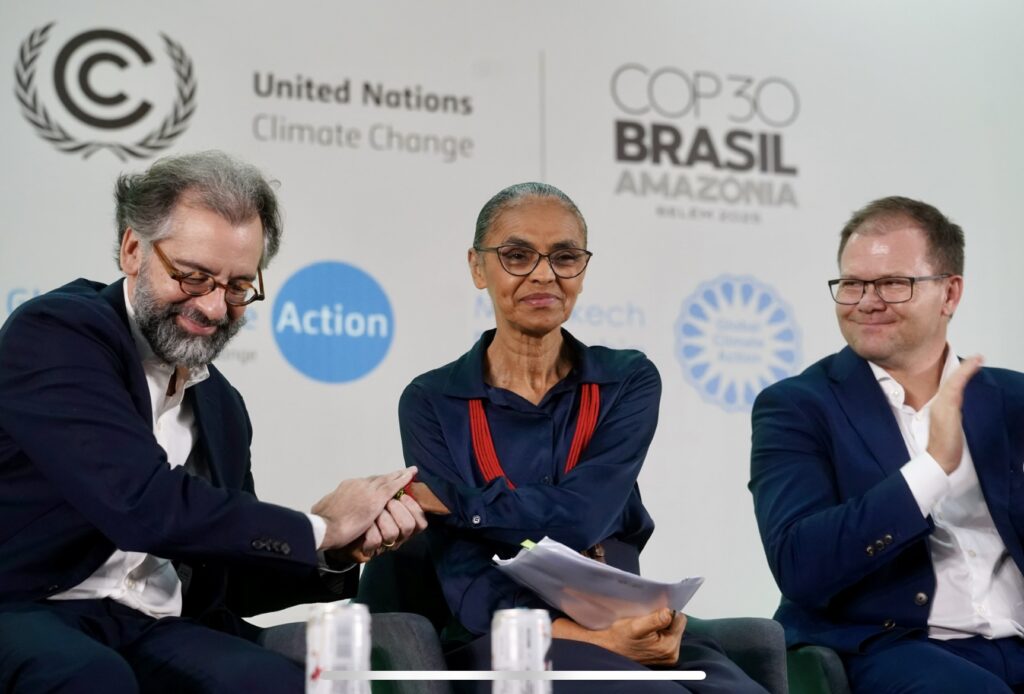
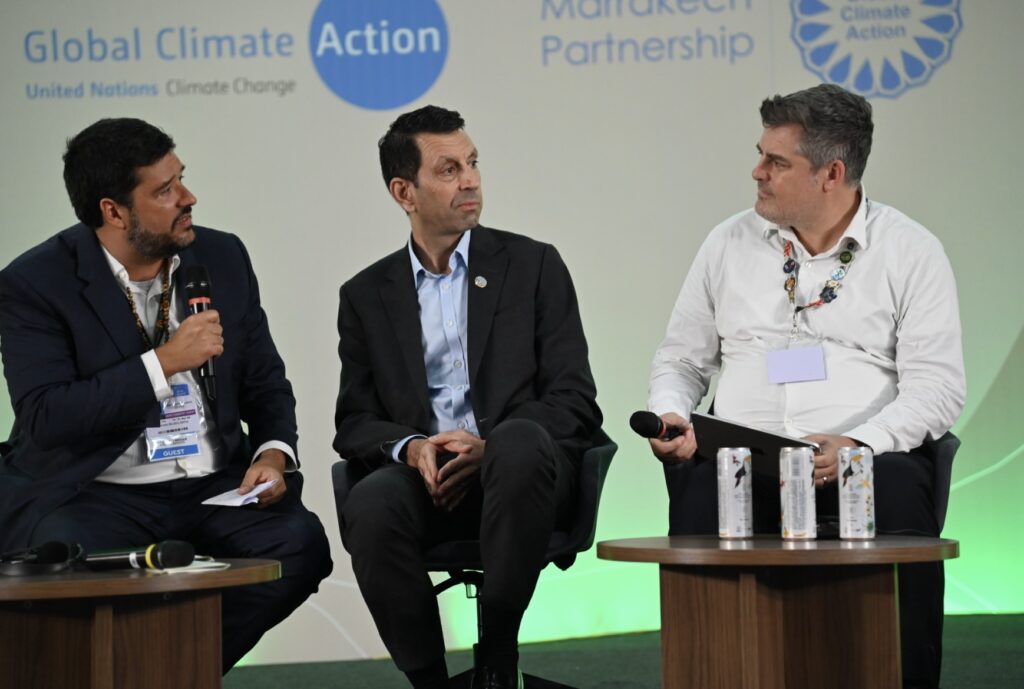
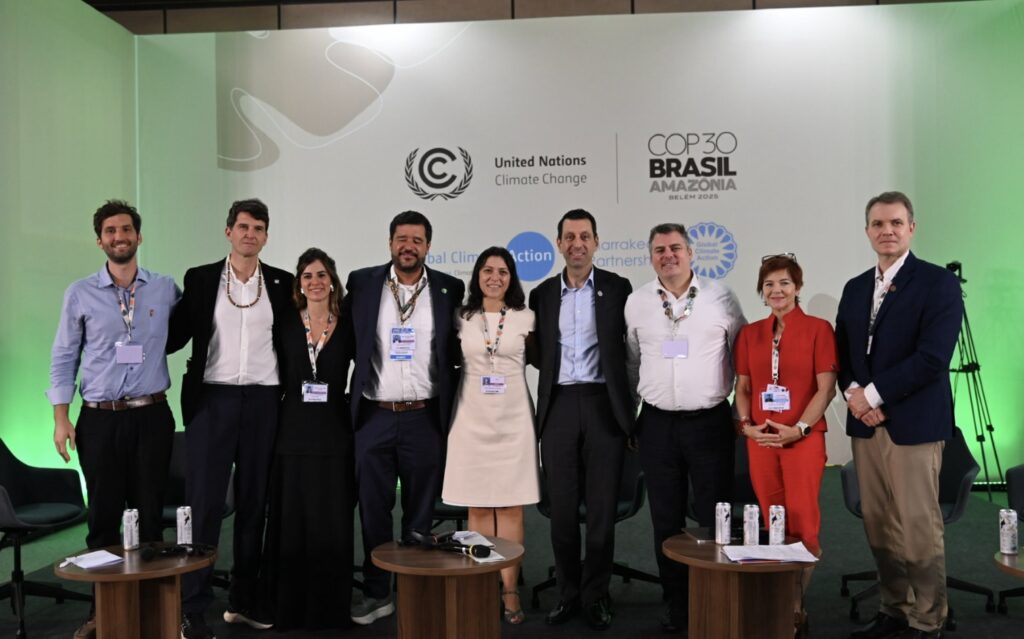
The Launch Event
Panel: “Bioeconomy Challenge: Translating the G20 High-Level Principles into Systemic Action through a Global Bioeconomy Roadmap”
Held on November 17
Session 1 — Shaping the Role of the Bioeconomy in the International Arena
Marina Silva, Minister of the Environment and Climate Change, Brazil
Mauricio Lyrio, Secretary for Climate, Energy and Environment, Ministry of Foreign Affairs, and Brazil’s lead negotiator at COP30
Mary Creagh, Minister for Rural and Environmental Affairs, United Kingdom
Carsten Schneider, Minister of the Environment, Climate Action, Nature Conservation and Nuclear Safety, Germany
Juan Carlos Jintiach, Executive Secretary, Global Alliance of Territorial Communities – GATC
Jennie Dodson, Senior Director of Policy, Advocacy and Member Mobilization, WBCSD
Session 2 — Turning Principles into Practice
Carina Pimenta, National Secretary for Bioeconomy, Brazil, and Chair of the Steering Committee
Luana Maia, Director of NatureFinance in Brazil
Kaveh Zahedi, Director of Climate and Biodiversity, FAO
Chantal Line-Carpentier, Chief of Environment, Climate and Sustainable Development, UNCTAD
Craig Hanson, Managing Director of Programs, WRI
Gregory Watson, Leader of the Natural Capital Lab Program, IDB
Marcelo Behar, COP30 Special Envoy for the Bioeconomy
Media contact
Please contact Amandine Ambregni, Director of Communications, NatureFinance, at communications@bioeconomychallenge.org
Roberta Zandonai, Communications and Engagement Manager, NatureFinance, at communications@bioeconomychallenge.org
Special Communications Advisory of the Ministry of Environment and Climate Change of Brazil, at imprensa@mma.gov.br
About Ministry of the Environment and Climate Change of Brazil (MMA)
Established in 1992 during the United Nations Conference on Environment and Development (Rio-92), the Ministry of the Environment and Climate Change of Brazil (MMA) is the federal authority responsible for national environmental and climate policies. Headquartered in Brasília, it promotes sustainable development by aligning environmental protection, economic growth, and social inclusion.
The Ministry’s core areas include the National Environmental Policy, the National Climate Change Policy, the National Policy on Payments for Environmental Services, and the National Air Quality Policy. It also manages biodiversity and forest conservation, native vegetation recovery, solid waste management, and environmental education, while coordinating cross-sectoral actions in energy, agriculture, cities, and fisheries.
Through its National Secretariat for Bioeconomy, the MMA designs and implements Brazil’s National Bioeconomy Plan, fostering sustainable use of biodiversity, ecosystem services, and genetic resources. It promotes fair benefit-sharing, supports sociobiodiversity products, and advances sustainable business models through partnerships with public, private, and financial institutions.
The Ministry oversees IBAMA, ICMBio, the Brazilian Forest Service, and the Rio de Janeiro Botanical Garden, forming the backbone of Brazil’s environmental governance system. https://www.gov.br/mma/pt-br
About NatureFinance
NatureFinance is a non-profit think tank and solutions lab that designs and scales financial tools, policy frameworks, and economic strategies to align global finance with an economy that works for nature, climate, and people.
By connecting financial innovation to real-economy outcomes, NatureFinance helps build a global financial system that values nature as a foundation of resilience, prosperity and equity. www.naturefinance.net
About the Food and Agriculture Organization (FAO)
The Food and Agriculture Organization (FAO) is a specialized agency of the United Nations that leads international efforts to defeat hunger. Our goal is to achieve food security for all and make sure that people have regular access to enough high-quality food to lead active, healthy lives. With 195 members – 194 countries and the European Union, FAO works in over 130 countries worldwide. Join us in creating a world without hunger and poverty. https://www.fao.org/home/en
About UN Trade and Development (UNCTAD)
UNCTAD is the UN’s leading body on trade and development. Founded in 1964, it supports 195 member states with expert analysis, technical assistance, and serves as a platform for intergovernmental dialogue. UNCTAD helps developing countries make trade, finance, investment, and the digital economy work for inclusive and sustainable development. https://unctad.org/
About the World Resources Institute Brasil (WRI Brasil)
WRI Brasil works to improve people’s lives, protect and restore nature, and stabilize the climate. As an independent research organization, we use data, expertise, and global reach to influence public policies and drive systemic change in areas such as food, land and water use, energy, and cities.
WRI Brasil is part of the World Resources Institute (WRI). Founded in 1982, WRI has more than 2,000 staff members working across over a dozen key countries and with partners in more than 50 nations. https://www.wribrasil.org.br/sobre
About Inter-American Development Bank Group (IDB Group)
The Inter-American Development Bank Group (IDB Group) is the leading source of financing and knowledge for improving lives in Latin America and the Caribbean. It comprises the IDB, which works with the region’s public sector and enables the private sector; IDB Invest, which directly supports private companies and projects; and IDB Lab, which spurs entrepreneurial innovation. During COP30, the IDB Group will host more than 80 events featuring international leaders and experts who will present solutions to close gaps in climate, nature, and development financing through partnerships, innovation, and a focus on measurable impact in Latin America and the Caribbean. Journalists covering COP30 in person are welcome, with no registration required. Locations: IDB Group Pavilion in the Blue Zone, IDB House in the Green Zone, AMAZÔNIA SEMPRE Station at the Goeldi Museum. https://www.iadb.org/en